

Healthy Eating
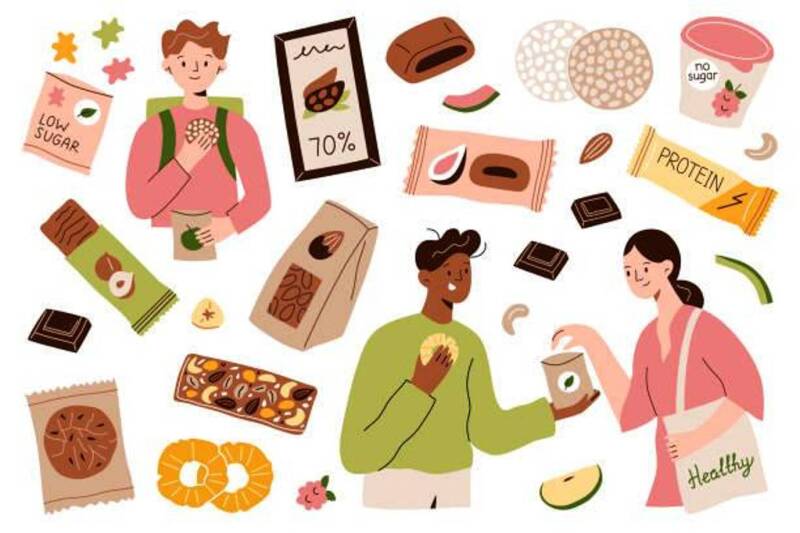
Why do we love sweets so much? Humans are physiologically wired to crave sweet , salty , and fatty foods .
Researchers at the Scripps Institute in Florida have found that processed, energy-dense, nutrient-poor foods of these three tastes are addictive, much like some drugs. Yet we find it hard to imagine holidays and special occasions without tempting desserts.
We love to serve and spice up meals with them, as they are the best way to unleash our gourmet imagination.
Is it really necessary to treat sweets as something forbidden? Do they always have to make us feel like we are sinning or that they are harming us, but we can't resist them? We can avoid this bad feeling if we follow a few basic principles when 'sweetening':
(1) we don't overeat desserts;
(2) desserts are an integral part of planned meals and a source of nutrients;
(3) we eat desserts that are not made from white sugar and flour;
(4) we use ingredients that are as minimally processed as possible;
(5) We prepare the desserts ourselves – this is the only way we can have an overview of the quantity and quality of the ingredients.
A healthy dessert could be defined as a sweet food that does not cause a very high increase in blood sugar and thus a large fluctuation in it, which is the essential problem of unhealthy eating. When using healthy sweeteners, we are therefore moderate in quantity and instead of empty calories, we also consume useful nutrients. With healthy desserts, we should not introduce useless or even harmful nutrients, which the body must digest and metabolize anyway. Since such 'empty' foods do not bring any vitamins and minerals to the body, we must draw from other sources for successful metabolism. This is, of course, the basic disadvantage of processed, nutrient-poor food, because it impoverishes the body and burdens it - it increases our need for basic nutrients. A healthy dessert is freshly prepared and is perishable because it does not contain harmful additives that would unnaturally extend its shelf life. Dietary recommendations dictate that we do not consume more than 30–40 g of added simple sugars per day. If we do not exceed this amount and ensure that these simple sugars are in the least processed form possible, we are well on our way to healthy sweetening.
How do we make healthy desserts sweet without white sugar?
In most recipes, we can significantly reduce the amount of sugar required without changing the appearance of the dessert. Instead of white sugar, we use unrefined cane sugar, which is a slightly better choice than white sugar. It is even better if the dessert is prepared with less processed sweeteners (maple syrup, honey). However, we will gain the most if we use fruit for sweetening - fresh or dried. Dates (without added sugar or syrup) are excellent for sweetening desserts. From them, with the addition of water in a blender, we prepare a sweet paste, which we use instead of sugar. Applesauce, which we prepare at home, or dried apricots and raisins are also useful. Soak dried fruit before using it for sweetening.
What grains do we use in healthy desserts?
We use freshly ground whole grains as much as possible. Baked goods and desserts made from sprouted grains are highly nutritious, especially if they are prepared at low temperatures (drying). It is highly recommended to use flour made from sprouted grains. Most grains can be sprouted, and the process is easy because these sprouts do not need light. They can be grown in jars or in linen or hemp bags. Rinsing several times a day is important. Let the sprouts grow until they reach the length of the grain itself. The grain sprouts can be dried and ground dry into flour. Or, they can be used to prepare a moist 'dough' in a powerful blender, which can be used for baking or drying. Sprouted grains are a very nutritious food. They have a sweet taste, as part of the starch in the grain is converted into sugar during sprouting.
What are the healthy fats in desserts?
The less fat, the healthier the dessert. In many recipes, fat serves to add moisture to the final product. In such a case, fruit puree can be used instead of fat (e.g., instead of oil, use the same amount of apple sauce, mashed banana, date paste, etc.). We do not use hydrogenated vegetable fats unless they are labeled as trans-fat-free. Some desserts, especially raw ones, use coconut oil. This is because it is solid at room temperature. Coconut oil is made from saturated fatty acids, but they are chemically slightly different (shorter) than saturated fatty acids of animal origin and therefore do not have the obvious harmful effects of conventional saturated fats.
Can chocolate be healthy?
Chocolate is attributed to several beneficial effects, due to its flavonoid content, which has highly desirable antioxidant properties. Of course, this only applies to chocolate that is made with as few additives as possible. Such are dark chocolates, with as much cocoa content as possible and as few other ingredients as possible. The best choice is raw fermented cocoa beans, which are ground before use. They can be purchased in some specialized health food stores.
Are heat-treated desserts still healthy?
Raw desserts are certainly among the healthiest desserts. They are made from unprocessed, whole ingredients without heat treatment above 40 ° C, which preserves the original nutritional value of the ingredients. In such desserts, drying is used instead of baking.
Thickening is usually achieved by adding gelatin. This is not suitable for those who do not consume animal ingredients for ethical, health or environmental reasons. It can be easily replaced by using agar, which is a gelling agent made from algae. If we want to thicken with starches, we use those that do not contain additives (e.g. cornstarch) and use them sparingly.
The real challenge is to adapt recipes for common and traditional desserts into healthier versions. This often requires a willingness to look a little different, as wholemeal flours and a smaller amount of sugar can affect the texture of the dessert. Let's not forget that such 'healthier' desserts are nutritionally more suitable, but due to the content of simple sugars, we still consume them in appropriate quantities. This is the only way that desserts do not harm our health.