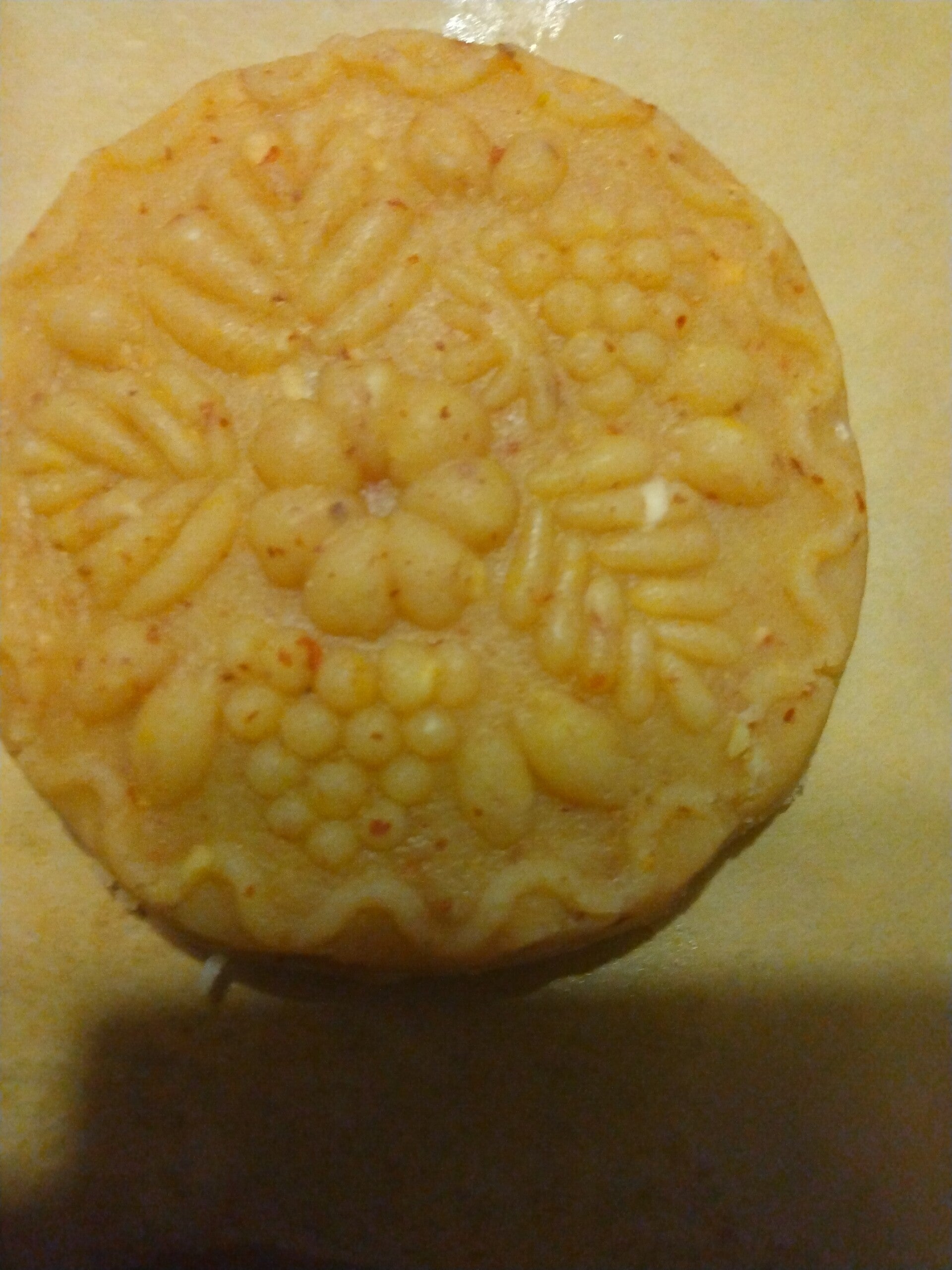
VARIETIES OF OUR BAKING GOODS
Scones offer are wide array of sweet and savory flavors, from classic fruit additions to unique cheese and herb combinations.
Fruit-based:
-
- Blueberry (often paired with lemon glaze)
- Cranberry Orange (a popular holiday flavor)
- Strawberry (delicious with a vanilla drizzle)
- Raspberry Almond (tart raspberries balanced with sweet almond extract and sliced almonds)
- Apple Cinnamon (rustic and warm, great for fall)
- Rhubarb & Custard (a classic British flavor combination)
- Lemon Poppy Seed (bright and zesty)
Chocolate & Other Flavors:
- Chocolate Chip (a timeless classic)
- Triple Chocolate (tastes like a brownie in scone form)
- Cinnamon Chip (slightly sweet, packed with cinnamon chips)
- Pumpkin Spice (warmly spiced, often with two glazes)
- Carrot Cake (incorporates grated carrots and warm spices)
- Honey Lavender (lightly sweetened with a mild, floral flavor)
- Cheese-based:
- Classic Cheddar (a simple yet flavorful option, perfect with butter)
- Cheese & Bacon (a hearty combination that can be made ahead of time)
- Jalapeño, Bacon, & Pepper Jack (adds a spicy kick)
- Spinach Feta (a Mediterranean-inspired option)
- Gruyère & ProsciBase Typesutto (an elegant choice for an appetizer
- Herb & Other Combinations:
- Fresh Herb (using herbs like rosemary, parsley, and basil, can also add cheese)
- Sun-dried Tomato & Basil (pizza-like flavors in a scone)
- Cacio e Pepe (inspired by the Italian pasta dish with Pecorino cheese and black pepper)
- Spring Onion & Feta Cornbread (great served warm with chipotle butter)
Base Types
You can also vary the base recipe to accommodate dietary needs or create a specific texture - Gluten-Free (uses alternative flours)
- Vegan (uses plant-based substitutes for dairy/eggs)
- Buttermilk (adds a subtle tang and tender texture)
- Lemonade (uses the carbonation and sugar from lemonade for an easy, light, and fluffy result)
- Herb & Other Combinations:
Types of muffins to make
There are countless muffin types to make, ranging from classic fruity options to rich chocolate and savory varieties. Many recipes use a single base batter with different mix-ins for endless variations.
Classic Fruit & Berry Muffins
These muffins highlight fresh or frozen fruit and are often perfect for breakfast or a snack.
-
- Blueberry Muffins: A timeless classic, often featuring a streusel or coarse sugar topping.
- Banana Muffins: Excellent for using up overripe bananas, they can be made plain or with additions like nuts or chocolate chips.
- Cranberry Orange Muffins: The tartness of cranberries pairs well with the bright zest of orange.
- Apple Cinnamon Muffins: Feature chopped apples and warm spices like cinnamon and nutmeg..
- Strawberry Muffins: A great option when strawberries are in season, sometimes made with oatmeal for texture.
- Lemon Poppy Seed Muffins: Light, tangy, and often finished with a lemon glaze.
Decadent & Chocolate Muffins For those who prefer a richer, sweeter treat.
- Chocolate Chip Muffins: A favorite for all ages, with melty pockets of chocolate throughout.
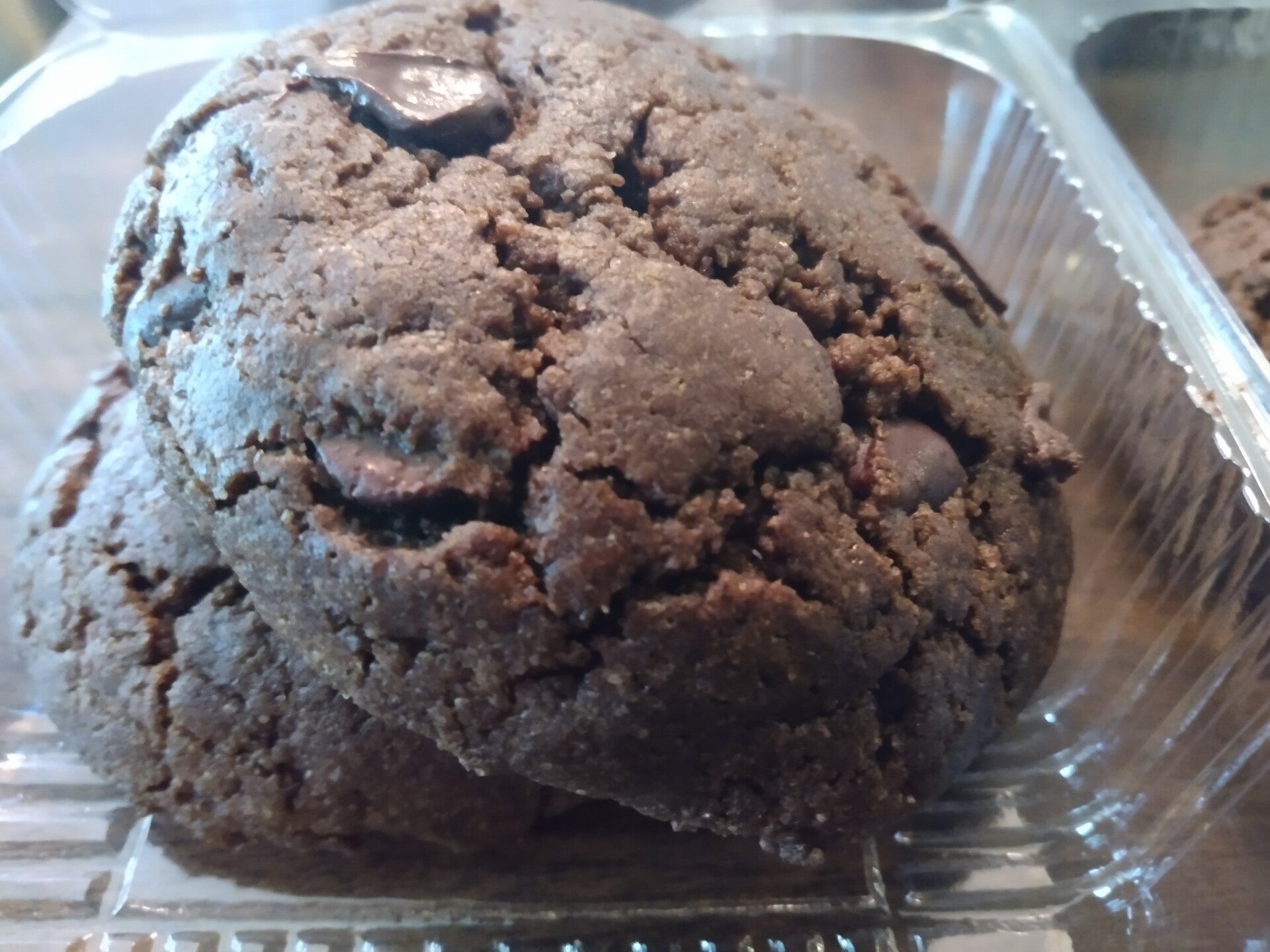
- Double Chocolate Muffins: Feature a chocolate batter base plus chocolate chips for an extra rich flavor.
- Peanut Butter Muffins: A simple, nutty flavor that can be paired with chocolate or made plain.
Unique & Savory OptionsMuffins don't have to be sweet. Savory versions make a great light meal or side dish.
- Corn Muffins: A classic side for chili or soup, often made with a touch of sweetness.
- Zucchini Muffins: A great way to sneak vegetables into your diet, often combined with chocolate chips or nuts.
- Bran Muffins: A healthier option with a nutty texture, often including raisins or dates.
- Cheese Muffins: A savory option incorporating grated cheese into the batter.
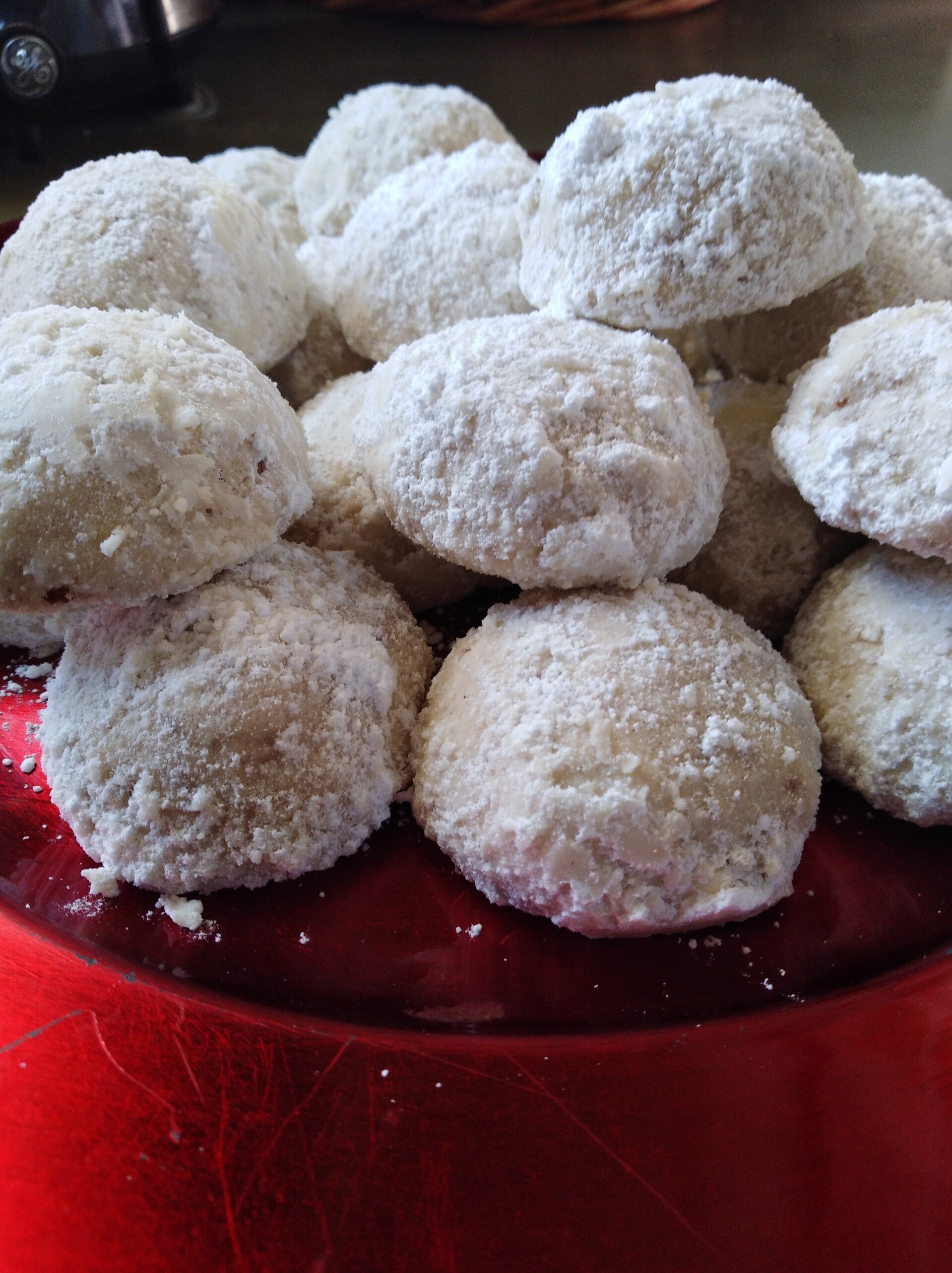
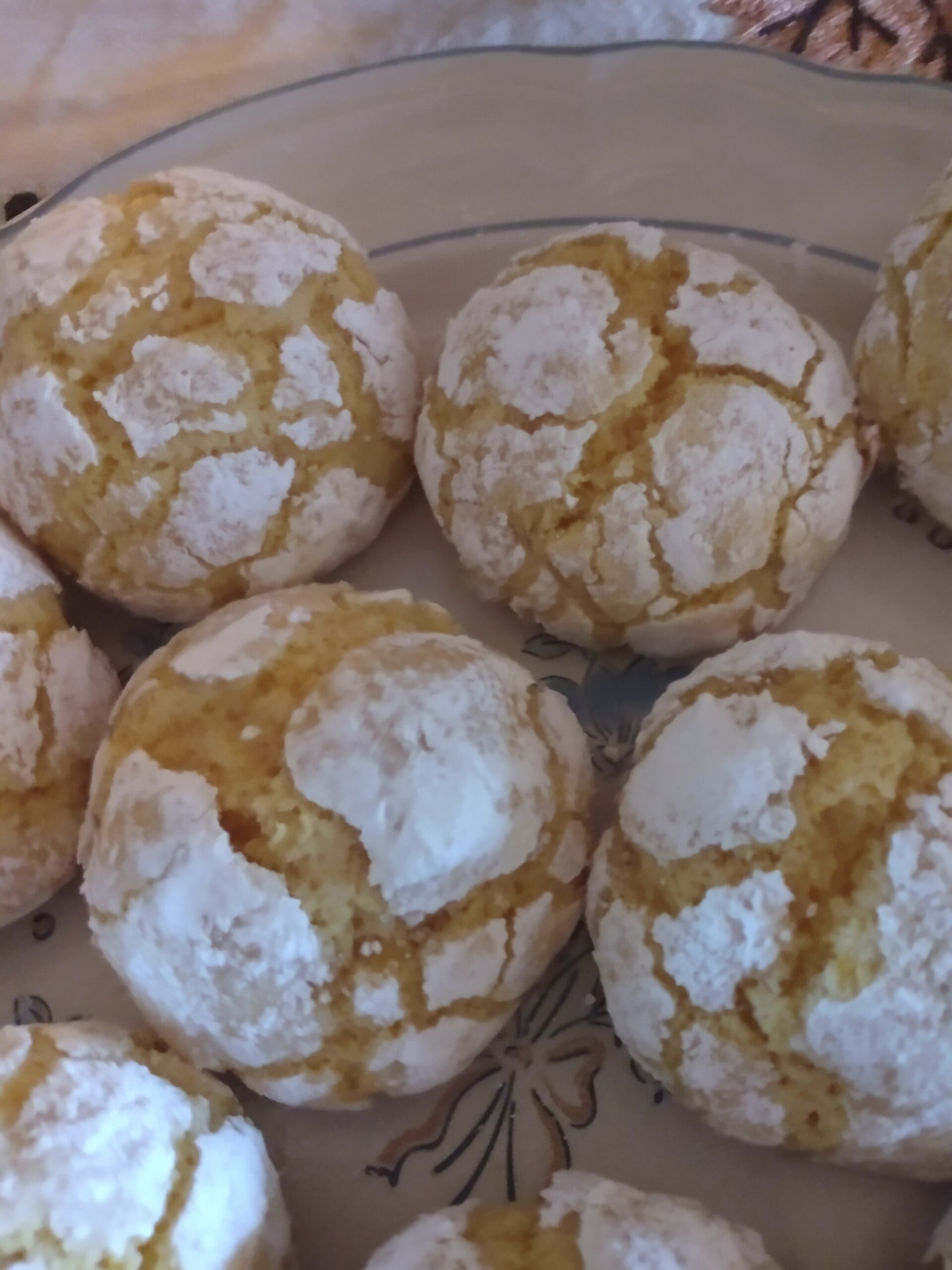
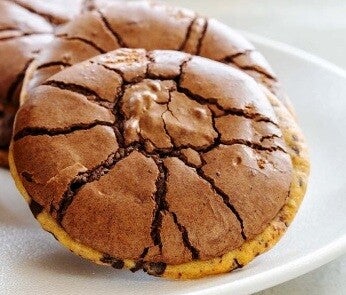
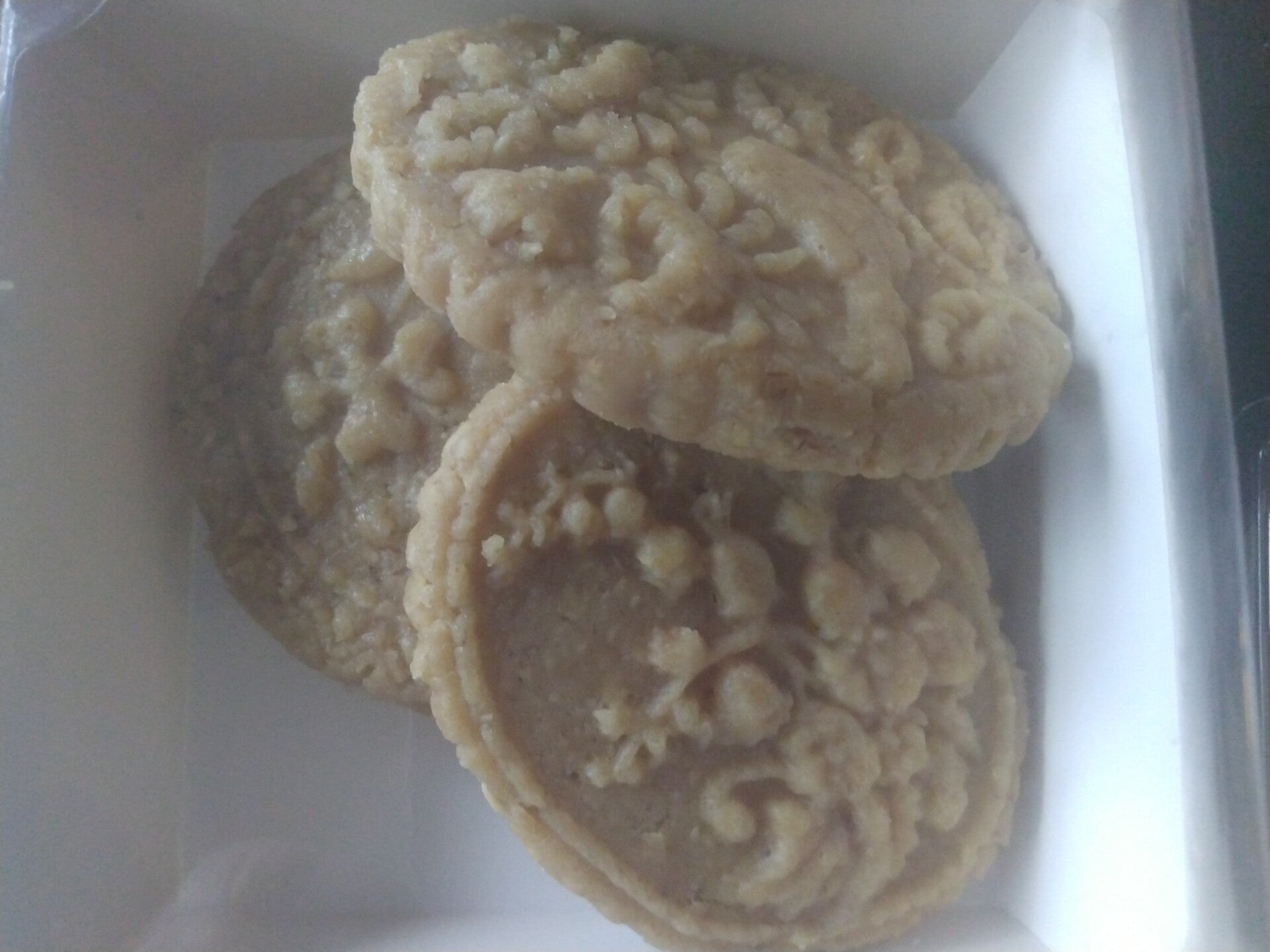
Cookies of this kind and that...
The basics of cookie making are based on accurate ingredient measurements, the correct temperature of the fat, and avoiding over-kneading the dough. For successful baking, it is important to chill the dough before shaping it, which prevents excessive spreading in the oven.
Key Ingredients and Preparation
• Fat (butter): Softened butter is usually used, which is mixed with sugar until foamy (creaming method).
• Dry ingredients: Flour, baking powder, or baking soda are usually sifted together.
• Eggs: It is best to have them at room temperature, which allows for better emulsion.
• Kneading: Knead the dough just enough to combine the ingredients. Over-kneading leads to tougher cookies.
Cooling and Shaping
• Cooling: To prevent the dough from sticking and make it easier to shape, chill it in the refrigerator before rolling it out (15-30 minutes).
• Shaping: The dough can be rolled and cut with cookie cutters, shaped into balls (or use an ice cream scoop) or bar cookies.
• Spacing: Leave at least 2 cm between cookies on the baking sheet to give them room to spread.
Baking and tricks
• Baking sheet and paper: Use a baking sheet with baking paper so that the cookies do not stick and bake evenly.
• Oven temperature: Always preheat the oven (usually 175-180 °C).
• Baking time: Bake the cookies until the edges are golden brown, but the center may still look a little soft.
• Cooling: Leave the baked cookies on the baking sheet for 2-3 minutes before transferring them to a wire rack to prevent them from breaking.
Common mistakes
• Hard cookies: Too much flour or kneading the dough too long.
• Spilled cookies: Under-chilled dough or oven too hot.
• Burnt bottom: Oven rack too low or temperature too high.
For best results, use quality ingredients and follow the recipe, especially when measuring flour.